About Türkiye
Home | About Türkiye

About Türkiye
History
Turkey, often called “the cradle of civilization,” offers a journey through the origins of human history. The world’s first known town, the Neolithic city of Çatalhöyük, dates back to 6,500 B.C. Over the centuries, Turkey became home to countless civilizations — Hattis, Hittites, Phrygians, Urartians, Lycians, Lydians, Ionians, Persians, Macedonians, Romans, Byzantines, Seljuks, and Ottomans — each leaving behind a rich legacy of cultural and historical treasures. Today, ancient ruins and historic sites scattered across the country tell the story of these remarkable civilizations.
In more recent history, Turkey witnessed a profound transformation under the leadership of Mustafa Kemal Atatürk. Following the fall of the Ottoman Empire after World War I, Atatürk founded the Republic of Turkey on October 29, 1923, ushering in an era of peace, modernization, and economic growth. Embracing the guiding principle of “Peace at Home, Peace in the World,” Turkey continues to stand as a bridge between the ancient and modern worlds.

Population
According to a 1990 census, Turkey has 57 million inhabitants, 41% of whom live in the countryside. The major cities are: istanbul (7.4 mil); Ankara,the capital(3.2mil); izmir (2.7 mil); Adana (1.9 mil) ; Antalya (1.1 mil)and Bursa(1.6mil).

Language
The Turkish language belongs to the Ural-Altaic group and has an affinity with the finno-Hungarian languages.Turkish is written in the Latin alphabet and is spoken by some 150 million (it suppoused 600 million with dialects) people around the world

Religion
Although Turkey is 99% Moslem, it is a secular stale that guarantees complete freedom of worship to non-Moslems.
Geographic Regions


Aegean Region
The Aegean Region is one of the most historically rich parts of Turkey, known as the cradle of several ancient civilizations. It was home to iconic cities like Ephesus, Pergamon, and Troy, and has been influenced by Greek, Roman, Byzantine, and Ottoman cultures over thousands of years. As a key part of ancient trade routes and a center of philosophy, science, and art, the Aegean today stands as a living museum — with countless ruins, ancient theaters, and heritage towns still echoing its legendary past.
With our location scouting, permit handling, and full production support services, we make filming across the Aegean Region smooth, legal, and efficient for international teams.
History of the Aegean Region
The Aegean Region is one of the most historically rich parts of Turkey, known as the cradle of several ancient civilizations. It was home to iconic cities like Ephesus, Pergamon, and Troy, and has been influenced by Greek, Roman, Byzantine, and Ottoman cultures over thousands of years. As a key part of ancient trade routes and a center of philosophy, science, and art, the Aegean today stands as a living museum — with countless ruins, ancient theaters, and heritage towns still echoing its legendary past.

Black Sea Region
The Black Sea Region is a hidden gem for productions seeking lush greenery, misty mountains, dramatic cliffs, dense forests, traditional highland villages, and wild coastlines. It offers a unique, cinematic atmosphere rarely found elsewhere in Turkey — perfect for stories set in mysterious, natural, or rural settings.
Through our location scouting, permit acquisition, and full production support, we ensure that filming in this region’s breathtaking yet remote areas is smooth, legal, and well-coordinated for international teams.
History of the Black Sea Region
The Black Sea Region, known as “Karadeniz” in Turkish, has a history that stretches back to ancient times, inhabited by civilizations like the Colchians and Pontics. It was a vital part of the Silk Road and home to powerful kingdoms like Pontus during Hellenistic times. With its strategic coastal position, the region has seen waves of Greek, Roman, Byzantine, and Ottoman influences. Today, it retains a distinct cultural identity with unique traditions, architecture, and music shaped by centuries of isolation and natural beauty.

Central Anatolia Region
Central Anatolia offers cinematic landscapes unlike anywhere else — vast steppes, surreal rock formations, ancient underground cities, salt lakes, and timeless villages. It’s the ideal location for historical dramas, sci-fi settings, epic journeys, and minimalist storytelling. The famous regions like Cappadocia with its fairy chimneys, and the open plains of Konya, provide visually stunning, versatile backdrops.
With our complete location scouting, permit facilitation, and production management services, we help productions capture the unique magic of Central Anatolia with ease and professionalism.
History of the Central Anatolia Region
Central Anatolia, the heartland of Turkey, has been a cradle of civilization for millennia. It was home to the ancient Hittite Empire, one of the earliest Indo-European civilizations, and later became a crossroads for Persians, Romans, Seljuks, and Ottomans. The region played a pivotal role during the founding of the modern Republic of Turkey. Its layered history is reflected in its ancient cities, monumental ruins, and spiritual heritage, offering filmmakers a rich historical and cultural canvas.

Eastern Anatolian Region
The Eastern Anatolian Region offers some of the most dramatic and untouched landscapes in Turkey — towering mountains, volcanic plateaus, ancient fortresses, historic churches, and secluded villages. Its raw, rugged beauty is perfect for epic tales, period pieces, war dramas, or adventurous storytelling.
Through our expert location scouting, permit management, and full production services, we make it possible for international film crews to explore and capture the stunning and powerful visuals Eastern Anatolia has to offer.
History of the Eastern Anatolian Region
Eastern Anatolia is one of the oldest continuously inhabited areas in the world. It was once home to the Urartu Kingdom around Lake Van, and later saw the influence of Armenians, Persians, Byzantines, Seljuks, and Ottomans. The region’s strategic location has made it a crossroads of cultures, religions, and empires for centuries. Its rich, multilayered history is still visible today in its ancient ruins, churches, castles, and the traditional way of life preserved in its remote villages.

Marmara Region
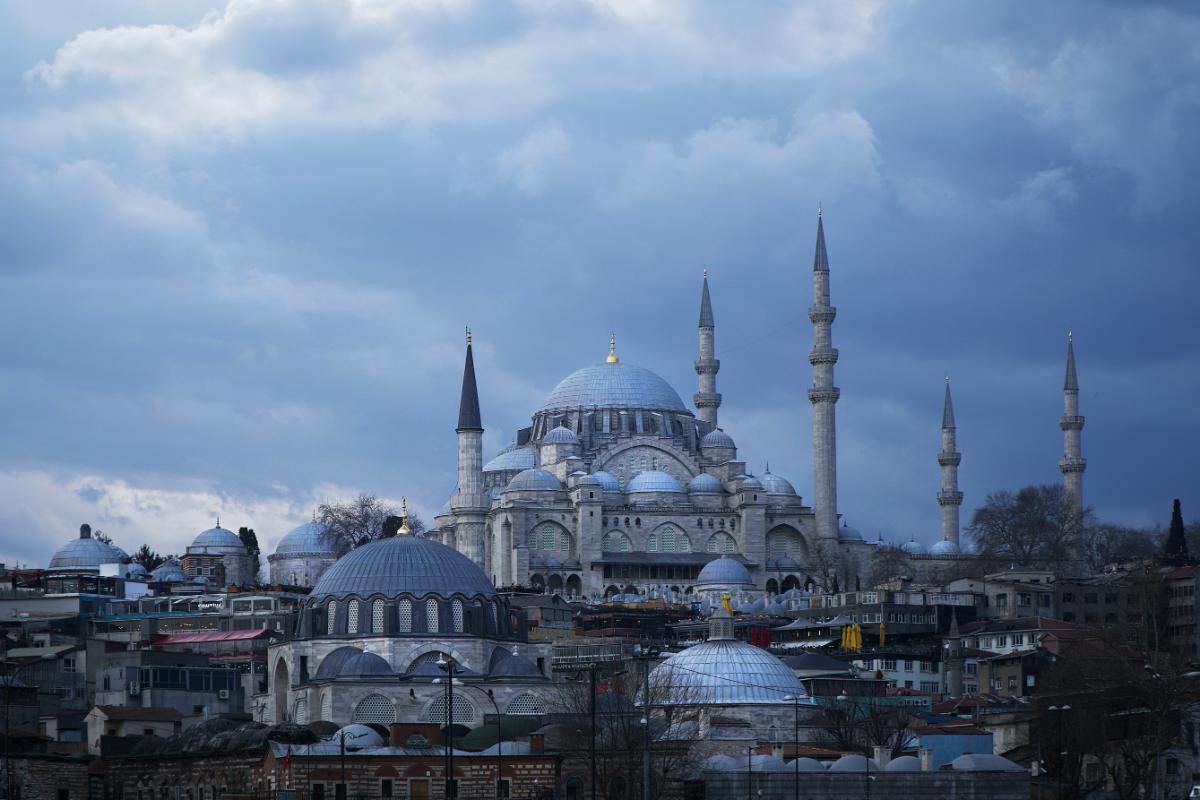
The Marmara Region, home to Istanbul and other vibrant cities, offers a wide range of cinematic settings — from grand palaces, bustling urban streets, and coastal towns to serene countryside and historical villages. It’s the perfect choice for productions needing metropolitan scenes, historical architecture, Bosphorus views, or a blend of European and Asian aesthetics.
With our location scouting, permit processing, and production coordination services, we ensure a seamless filming experience across Marmara’s diverse and dynamic environments.
History of the Marmara Region
The Marmara Region has always been the gateway between Europe and Asia. Istanbul, its crown jewel, served as the capital of three great empires: Roman, Byzantine, and Ottoman. Beyond Istanbul, cities like Bursa and Edirne have also been important cultural and political centers throughout history. The Marmara Region is layered with centuries of trade, conquest, and cultural exchange, making it a place where ancient history and modern life coexist side by side — a richness that offers endless storytelling opportunities.

Mediterranean Region
The Mediterranean Region of Turkey offers golden beaches, turquoise waters, lush forests, ancient ruins, charming coastal towns, and modern resorts — all within short distances. Its stunning natural beauty and historical richness make it an ideal setting for romance, adventure, historical epics, or luxury lifestyle productions.
With our professional location scouting, permit handling, and production support services, we help international crews capture the Mediterranean’s enchanting scenery with ease and efficiency.
History of the Mediterranean Region
The Mediterranean Region, historically known as part of ancient Lycia, Pamphylia, and Cilicia, has been a cultural crossroads for millennia. Influenced by civilizations such as the Greeks, Romans, Byzantines, and Ottomans, the area is filled with ancient cities, amphitheaters, castles, and harbors. Cities like Antalya, Mersin, and Alanya are living examples of a vibrant history intertwined with natural beauty, offering filmmakers a unique backdrop that blends antiquity and contemporary Mediterranean life.

Southeastern Anatolian Region
The Southeastern Anatolian Region offers exotic and historically rich landscapes — from ancient stone cities, sprawling plains, and desert-like terrains to traditional bazaars and unique architectural styles. It’s perfect for productions seeking authentic Middle Eastern visuals, biblical-era settings, or stories rooted in ancient civilizations.
With our expert location scouting, permit coordination, and full production support, we make it possible to access and film in these culturally rich, visually striking locations with ease and professionalism.
History of the Southeastern Anatolian Region
Southeastern Anatolia is one of the oldest inhabited areas in human history, home to legendary sites like Göbekli Tepe — the world’s oldest known temple. Throughout history, it has been a center for ancient civilizations such as the Sumerians, Assyrians, Hittites, and later, various Islamic dynasties and the Ottomans. The region’s unique position at the crossroads of Mesopotamia has created a deep, diverse cultural heritage that is still visible today in its cities, monuments, and way of life.

Driving Forces of Turkey’s Economy
01
Tourism
In recent years, Turkey has become a major tourist destination in Europe. With the rapid development of both summer and winter resorts, more and more peoole from around the world are able to enjoy the history, culture, and beautiful sites of Turkey. From swimming in the Mediterranean to skiing in Uludag,Turkey has something to offer every tourist.
02
Agriculture
03
Southeast Anatolia Project (GAP) :
04
Natural resources
05
Industry
06
Political structure
Why Shoot in Turkey
Why Turkey?
Unique Geography and History


- A film whose story takes place in the Arabian Peninsula, Iran, Iraq, Syria, Israel, Palestine and Jordan can be shot in some cities in the South East of Turkey
- The Arabic architecture is dominant in Antakya, Mardin, Urfa, Adıyaman and Diyarbakır.
- The Aegean region full of olive trees and vineyards can be the setting for Greece, Italy and Spain.
- The Taurus mountains in the south of Turkey can be the setting for Switzerland, France and French Alps.
- The nature and environment in the Black Sea Region is very similar to the nature and environment in England, Ireland, Scotland and the North European Countries.
A highly Developed Tourism Infrastructure

Easy Access

A Budget-Friendly Country

A Land For All Seasons

Material Supplies And Equipment